Commercial Asphalt Paving vs. Concrete: Which Is Better for Businesses
People seeking commercial asphalt paving installation are typically looking to create durable, smooth surfaces for their business, and local contractors can provide expert installation and advice.
Choosing between commercial asphalt paving and concrete for business properties is a decision that many property owners in the area face when planning new installations or upgrades. Understanding the practical differences can help ensure that investments align with long-term needs, whether it’s for parking lots, driveways, or loading zones. This page is here to guide those exploring this topic, providing insights into how each material stacks up in terms of durability, maintenance, and overall performance-key factors for property owners seeking reliable, cost-effective solutions. Local contractors specializing in commercial asphalt paving installation can offer tailored advice and quality workmanship, helping businesses make informed choices that support their operational goals.
For property owners considering which material best suits their commercial spaces, knowing the advantages and limitations of asphalt versus concrete can make a significant difference. Practical concerns like traffic volume, weather conditions, and future expansion plans often influence the decision. By exploring these factors, readers can better understand how local service providers can assist with expert installation, ensuring the chosen surface withstands daily demands. Keep reading to uncover the key considerations that can help determine whether commercial asphalt paving or concrete is the right choice for your business needs.
- Parking Lot Paving - when businesses need durable surfaces that can withstand heavy traffic, local contractors often recommend asphalt for its flexibility and quick installation.
- Driveway Installation - for commercial entrances requiring smooth, long-lasting access, local pros can install asphalt or concrete based on the specific needs of the property.
- Repaving Projects - existing asphalt surfaces that show signs of wear are revitalized by local service providers who specialize in asphalt overlays and repairs.
- Industrial Pavement Work - large-scale industrial sites often choose asphalt for its cost-effectiveness and ease of maintenance, with local contractors managing the entire process.
- Sealcoating and Surface Maintenance - to extend the life of asphalt pavements, local pros offer sealing and repair services tailored to the demands of commercial properties.
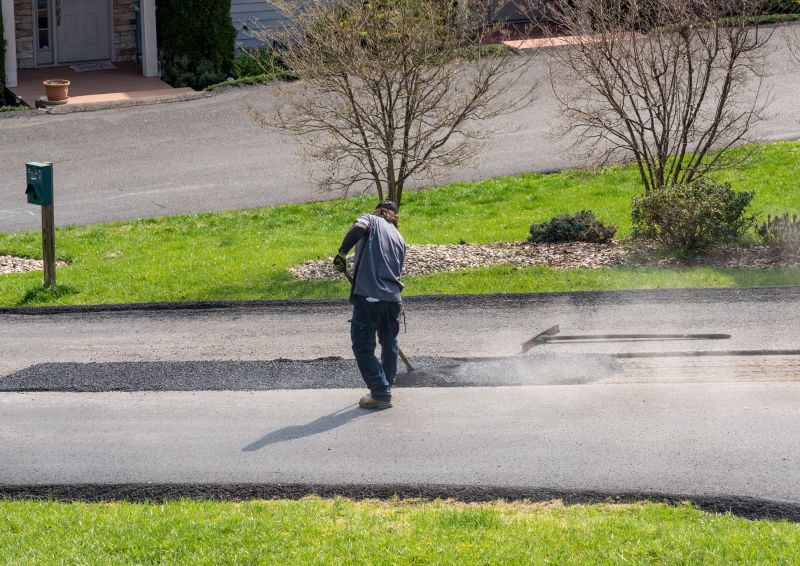
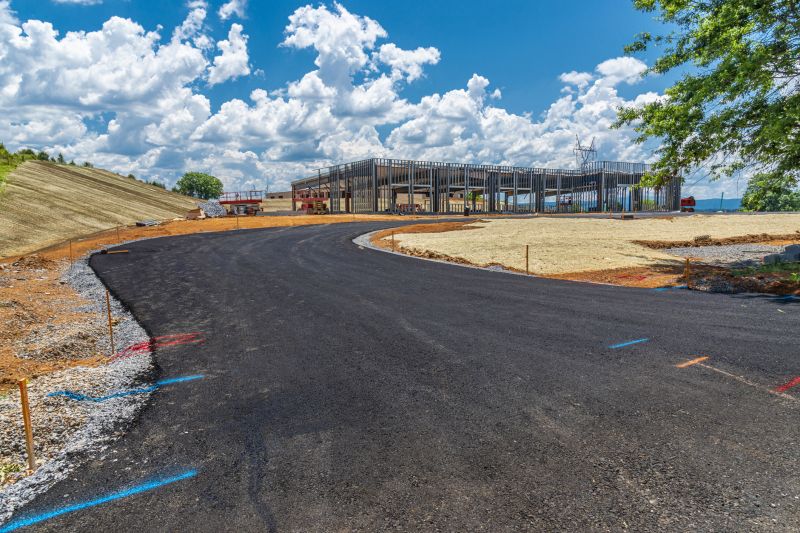
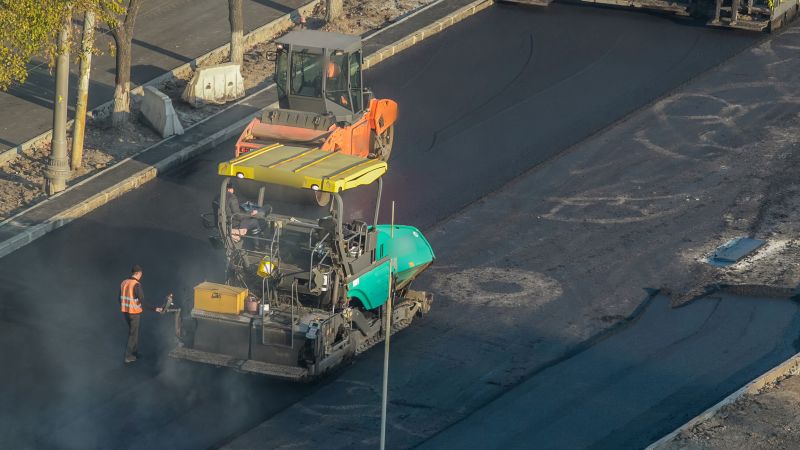
When searching for information about commercial asphalt paving versus concrete, most people are trying to determine which material will best suit their business needs. This topic often comes up during planning or renovation projects for properties like retail centers, industrial complexes, parking lots, or office parks. Business owners want to understand the differences in durability, appearance, and maintenance requirements to make an informed decision that aligns with their operational needs and long-term goals. The choice between asphalt and concrete can impact the functionality, safety, and overall appearance of a commercial property, making it a critical consideration for property managers and business owners alike.
Problems and plans related to this topic typically involve constructing new parking areas, replacing aging pavement, or expanding existing lots to accommodate more customers or employees. Many property owners also consider how the material choice affects vehicle access, load-bearing capacity, and future repair needs. For instance, a business with high vehicle traffic or heavy delivery trucks might prioritize durability and ease of repair, while a company seeking a specific aesthetic might focus on the visual appeal of concrete. Local contractors specializing in commercial asphalt paving or concrete installation can provide insights into these factors, helping property owners weigh the advantages and limitations of each material in relation to their specific project requirements.
The types of properties that commonly come up in discussions about commercial asphalt paving versus concrete include shopping centers, office complexes, warehouses, industrial parks, and municipal facilities. These properties often require large, durable surfaces that can withstand constant vehicle movement and heavy loads. Parking lots are a frequent focus because they directly impact customer experience and safety. Additionally, driveways leading to commercial garages or loading zones are considered. Understanding the typical property types involved can help business owners and property managers identify which material might offer better performance for their particular setting, and how local service providers can assist in achieving a long-lasting, functional surface.
For many businesses, choosing between commercial asphalt paving and concrete involves considering factors like longevity, maintenance costs, and appearance. Local contractors who specialize in commercial paving can evaluate the specific needs of a property-such as traffic volume, climate conditions, and budget constraints-and recommend the most suitable material. Asphalt tends to offer quicker installation and easier repairs, making it appealing for projects with frequent maintenance needs. Concrete, on the other hand, often provides a longer-lasting surface with a more refined look, which can be advantageous for properties emphasizing aesthetics. Connecting with experienced local service providers ensures that the chosen material aligns with the property’s operational demands and contributes to a durable, functional outdoor space.
Parking lot renovations - local contractors skilled in asphalt and concrete work can assist with resurfacing and expanding commercial parking areas, addressing considerations similar to those in commercial asphalt paving vs. concrete projects.
Driveway installation - professionals experienced in paving methods help businesses establish durable and functional driveways, applying planning and material selection comparable to commercial paving choices.
Sidewalk construction - local service providers can handle the planning and installation of sidewalks, requiring knowledge of surface materials and durability factors relevant to asphalt and concrete debates.
Loading dock paving - specialists in surface preparation and paving ensure loading zones are constructed to withstand heavy traffic, paralleling the considerations in commercial asphalt paving vs. concrete discussions.
Industrial flooring projects - local contractors can install resilient floors in warehouses and factories, utilizing similar skills in surface preparation and material application as commercial paving work.
Roadway repair and resurfacing - experienced paving contractors can address repairs and resurfacing needs for business-related roadways, requiring planning and material selection skills aligned with commercial asphalt and concrete projects.
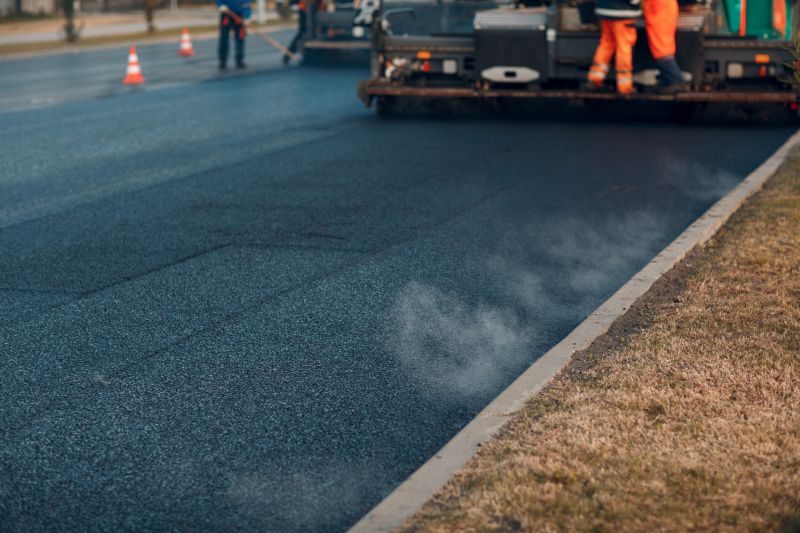
When evaluating commercial asphalt paving services versus concrete installation, it is important to consider the experience of local contractors with similar projects. Contractors who have handled commercial paving jobs comparable in size and scope can provide insights into the specific challenges and requirements of such work. Asking about previous projects helps ensure the service provider understands the nuances of commercial applications, including surface durability, traffic loads, and environmental conditions. This experience can influence the quality and longevity of the finished surface, making it a key factor in the decision-making process.
Clear, written expectations are essential when comparing local service providers for commercial paving and concrete work. A reputable contractor should be able to outline the scope of work, materials to be used, and the projected outcome in a straightforward manner. This transparency helps prevent misunderstandings and ensures that both parties are aligned on project goals. It also provides a basis for evaluating the professionalism of the contractor, as clear communication often reflects a commitment to quality and customer satisfaction.
Reputable references and effective communication are crucial when selecting a service provider for commercial paving projects. Contractors who can provide references from previous clients demonstrate a track record of successful work. Good communication throughout the process ensures that questions are addressed promptly and that any concerns are managed effectively. This level of responsiveness and transparency can contribute significantly to a smooth project experience and a final result that meets the specific needs of a business.
Property owners often search for commercial asphalt paving vs. concrete: which is better for businesses when they are planning practical projects around their homes and businesses. Local pros provide Commercial Asphalt Paving Installation services for everyday jobs and straightforward project options.
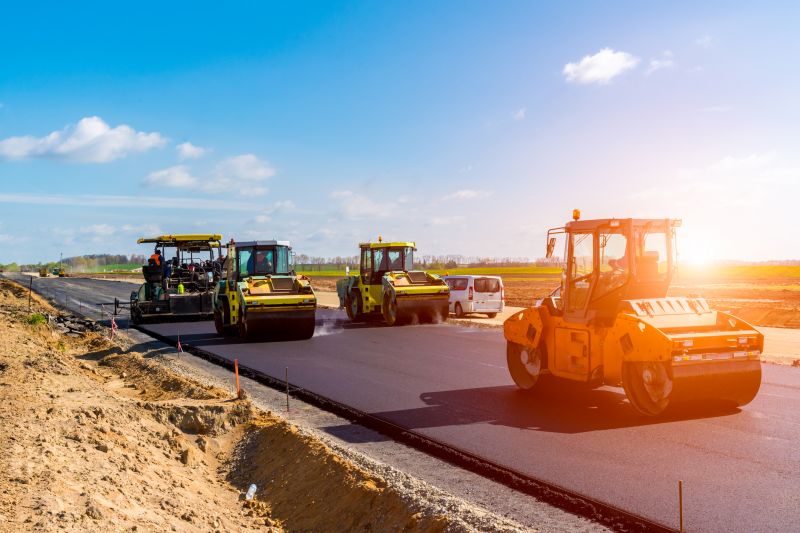
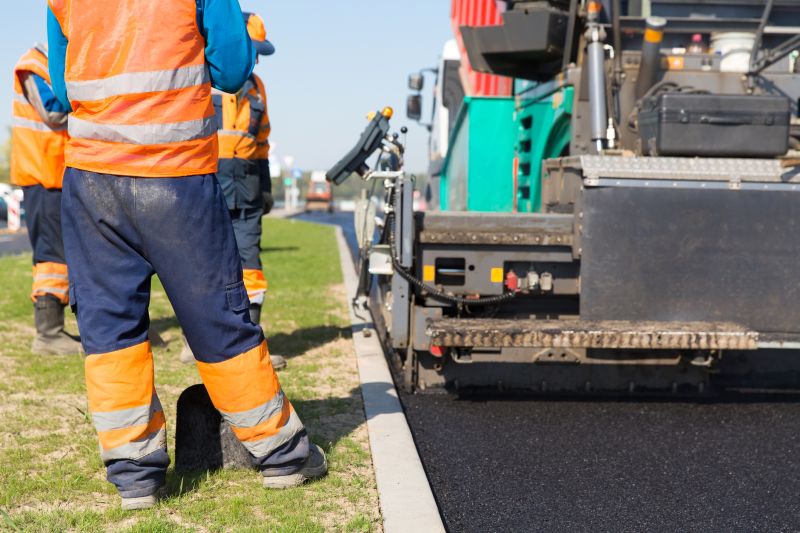
When considering the choice between commercial asphalt paving and concrete for business properties, property owners often evaluate factors like durability, cost, and maintenance needs. Asphalt tends to be favored for its quick installation and ease of repair, making it a practical option for parking lots and driveways that need to handle heavy traffic regularly. Concrete, on the other hand, is known for its longevity and strength, which can be advantageous for high-traffic areas that require a more resilient surface. Local contractors experienced in commercial paving can help evaluate the specific needs of a property and recommend the best material based on everyday project considerations.
Business owners searching for paving solutions may also consider how each material performs over time and what maintenance efforts will be involved. Asphalt surfaces can be resealed and repaired more quickly, often resulting in less disruption to daily operations, while concrete surfaces might require less frequent repairs but can be more costly upfront. Engaging with local service providers who specialize in commercial paving installation can provide insights into which material aligns best with the property's usage patterns and long-term goals. These professionals can help ensure the chosen surface meets the demands of everyday business activities, supporting smooth operations and accessibility.
What are the main differences between commercial asphalt paving and concrete for business surfaces? Commercial asphalt paving typically offers quicker installation and easier repairs, while concrete provides a longer-lasting, more durable surface. Local contractors can help determine which material suits specific business needs based on usage and traffic.
Which material is better suited for high-traffic areas in commercial properties? Concrete is generally more resistant to heavy traffic and wear, making it a popular choice for high-traffic zones. Local service providers can evaluate the site to recommend the best material for durability and performance.
How do maintenance needs compare between asphalt and concrete for commercial applications? Asphalt surfaces may require regular sealing and repairs over time, whereas concrete often needs less frequent maintenance. Local contractors can advise on maintenance plans to prolong the lifespan of each material.
Are there environmental considerations when choosing between asphalt paving and concrete? This decision is typically based on durability and usage rather than environmental factors. Local paving professionals can provide guidance on the most suitable material for your business, considering long-term performance.
What factors should businesses consider when choosing between asphalt paving and concrete? Important considerations include expected traffic volume, durability requirements, maintenance preferences, and the specific use of the paved area. Local contractors can assess the site and help select the most appropriate paving material for your business needs.
Choosing the right material for high-traffic areas - property owners can work with local contractors to select asphalt or concrete based on expected vehicle and foot traffic for their business parking lots.
Considering long-term durability and maintenance needs - property owners might evaluate how asphalt or concrete withstand weather and daily use, with local pros providing guidance on the best options.
Planning for future expansion or modifications - property owners can discuss with local service providers how each material type accommodates potential changes or additions to the paved areas.
Assessing aesthetic preferences and branding - property owners may consider how asphalt or concrete can be customized to match their business’s visual identity, with local contractors offering suitable solutions.
If you are thinking about commercial asphalt paving vs. concrete: which is better for businesses for a property, this guide is meant to help you understand this topic, the typical project types, and how different options might fit your plans.
When you are ready, you can use the quote form on this page to share a few details about your project. From there, local pros can review the basics and follow up with options that match what you have in mind.